
Bitcoin ATM vs Traditional ATM: Key Differences Explained


Understanding Bitcoin ATMs
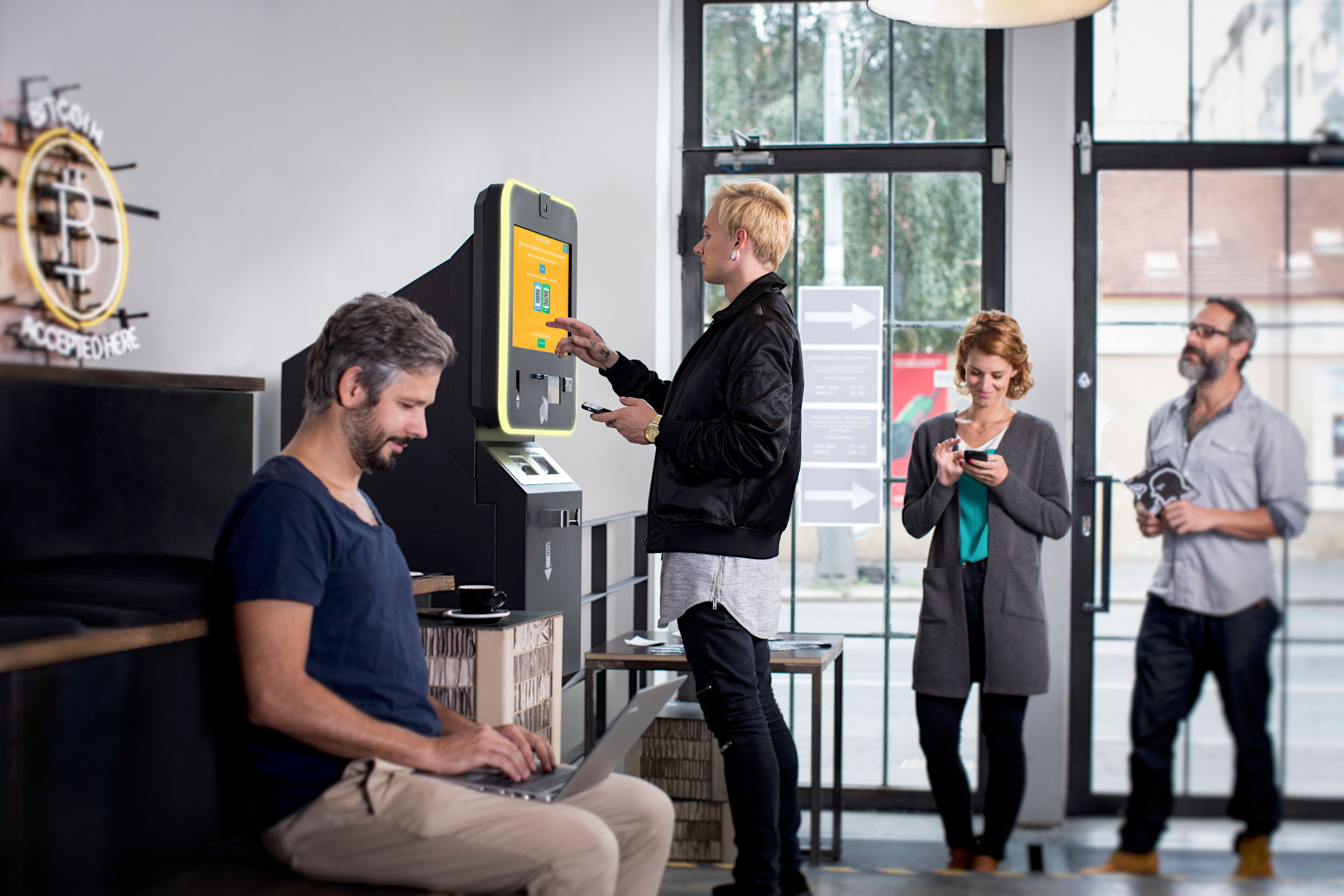
Bitcoin ATMs have emerged as a popular way for individuals to buy and sell Bitcoin with ease. These machines are similar in appearance to traditional ATMs but operate quite differently. Unlike conventional ATMs that dispense cash from your bank account, Bitcoin ATMs facilitate cryptocurrency transactions, connecting users to the Bitcoin network.
Bitcoin ATMs are equipped with a user-friendly interface that guides users through the process of purchasing or selling Bitcoin. They often require users to scan a QR code from their digital wallet, making it a seamless experience for those familiar with cryptocurrency.
How Traditional ATMs Work
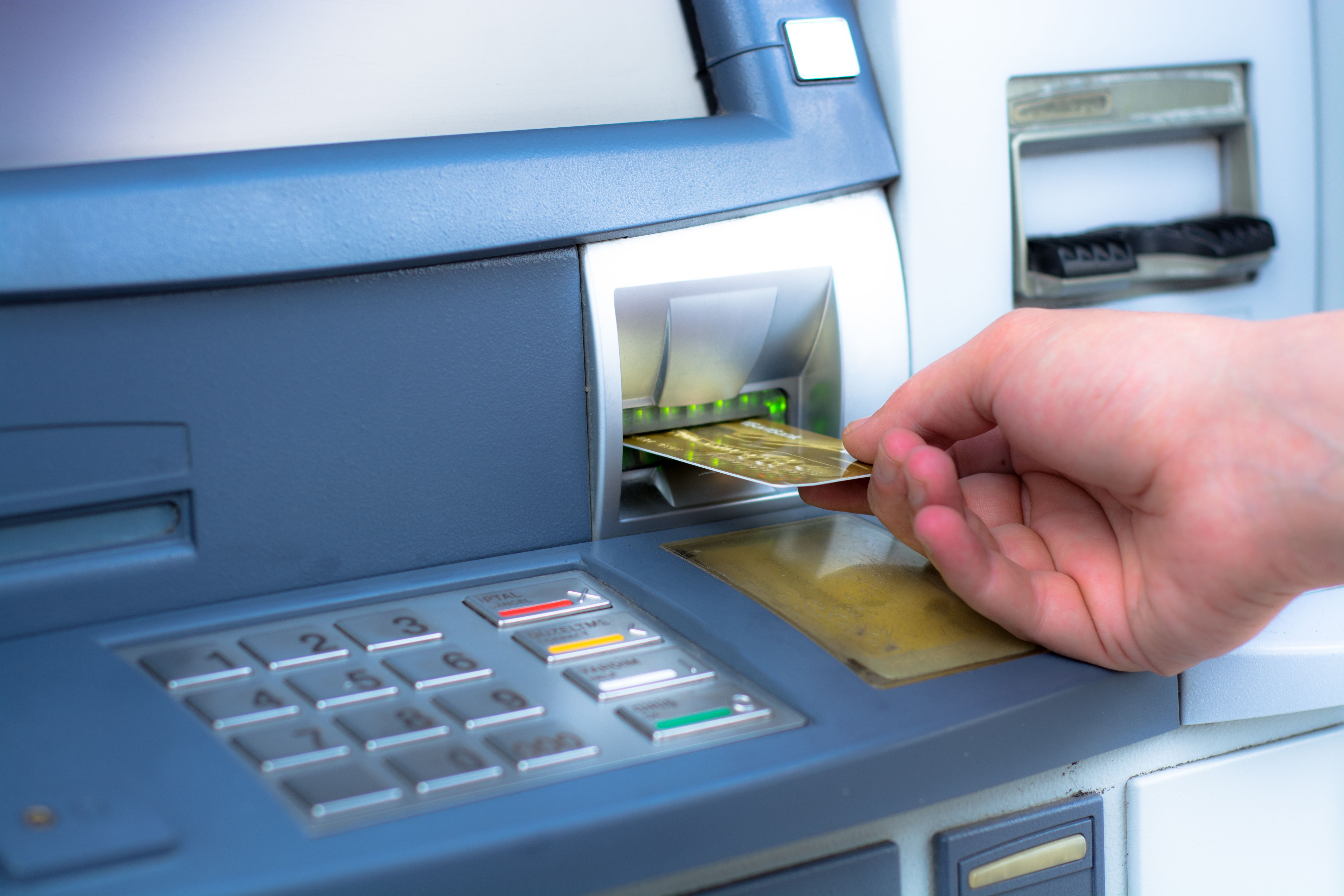
Traditional ATMs are a common sight and have been around for decades. They allow users to withdraw, deposit, and transfer funds from their bank accounts. These machines are connected to the banking network, enabling instant access to cash and other banking services.
To use a traditional ATM, you typically need a bank card and a personal identification number (PIN). These machines are widely available and serve as a convenient tool for everyday banking needs.
Key Differences Between Bitcoin and Traditional ATMs
While both Bitcoin and traditional ATMs offer financial services, there are several key differences between the two. Understanding these differences can help users decide which option best suits their needs.
- Currency Type: Bitcoin ATMs deal exclusively with cryptocurrencies, while traditional ATMs handle fiat currencies like dollars and euros.
- Transaction Speed: Bitcoin transactions can take a few minutes to confirm, whereas traditional ATMs provide instant cash access.
- Identification Requirements: Bitcoin ATMs may require identity verification, especially for larger transactions, whereas traditional ATMs require a bank card and PIN.
Security Considerations
Security is a crucial aspect of both Bitcoin and traditional ATMs. Bitcoin ATMs often implement measures like two-factor authentication and identity verification to ensure the safety of transactions. However, since Bitcoin transactions are irreversible, users must double-check transaction details before proceeding.
Traditional ATMs also prioritize security with features like encrypted PIN entry and anti-skimming technology. Users are advised to stay vigilant, especially when using ATMs in less secure locations.
Accessibility and Availability
Traditional ATMs are widely available, with thousands of machines located globally, ensuring easy access to cash and banking services. In contrast, Bitcoin ATMs are still growing in number, though they are becoming more common in urban areas.
The availability of Bitcoin ATMs can vary significantly by region, and users may need to search for a nearby machine. Online maps and apps are helpful tools for locating the nearest Bitcoin ATM.

Fees and Costs
Fees are another consideration when choosing between Bitcoin and traditional ATMs. Bitcoin ATMs often charge higher fees compared to traditional ATMs due to the volatile nature and processing costs associated with cryptocurrency transactions.
Traditional ATMs usually have lower fees, especially if you use a machine within your bank's network. It's essential for users to consider these costs when planning their transactions.
Conclusion: Choosing the Right Option
Both Bitcoin and traditional ATMs offer unique advantages and serve different purposes. If you're looking to engage with cryptocurrency, a Bitcoin ATM might be the right choice, offering a straightforward way to buy or sell Bitcoin. However, for everyday banking needs, traditional ATMs provide a convenient and familiar option.
As technology continues to evolve, the landscape of financial services will undoubtedly change, offering more options and conveniences for users worldwide. Understanding the differences between these two types of ATMs can empower you to make informed decisions that align with your financial goals.